
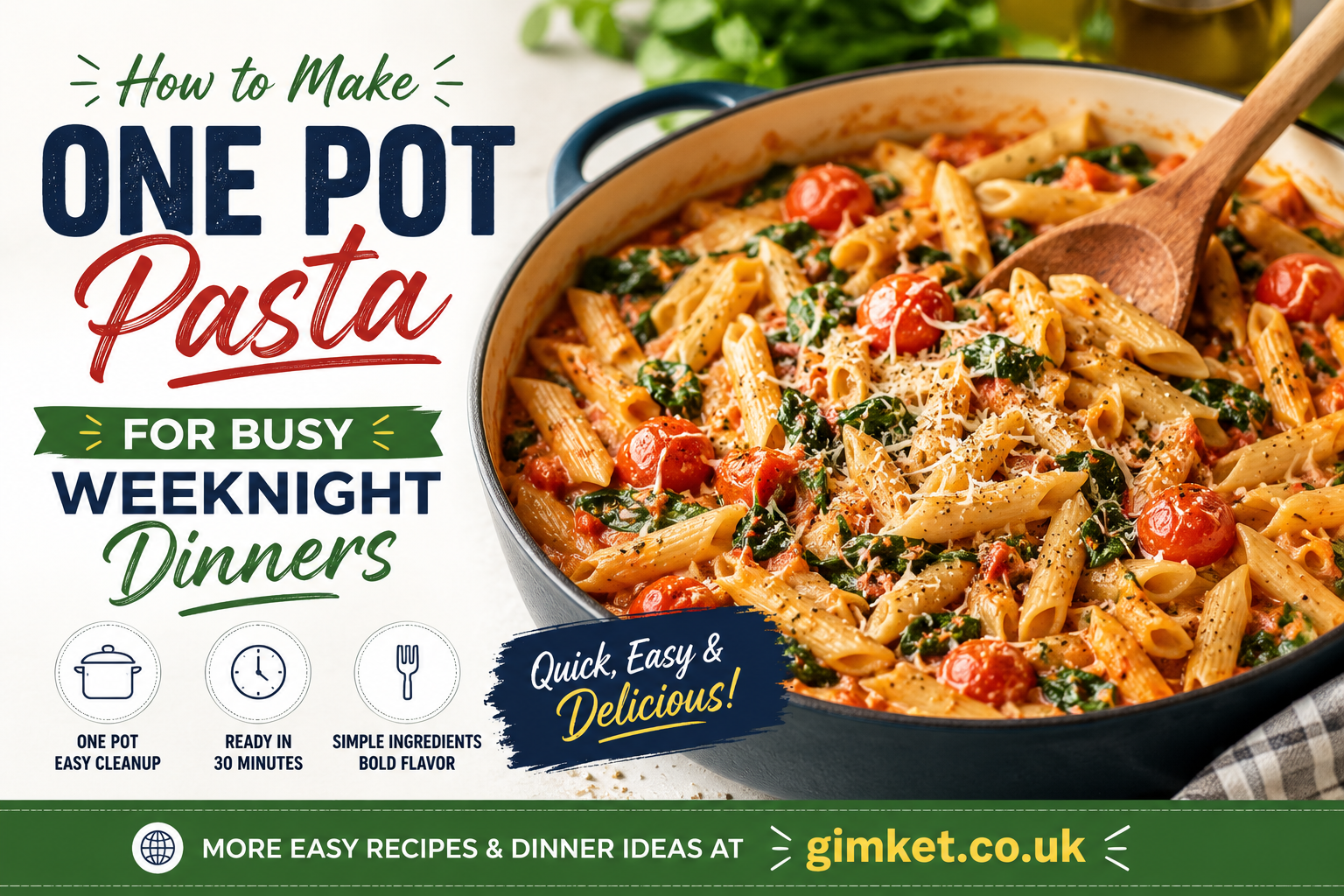
Busy schedules often make cooking feel like a challenge, especially when you want a homemade meal without spending hours in the kitchen. That is where One Pot Pasta becomes a practical solution. This simple cooking method combines pasta, sauce, vegetables, proteins, and seasonings in a single pot to create a flavorful meal with less preparation and minimal cleanup.
Unlike traditional pasta recipes that require boiling pasta separately and preparing sauce in another pan, one pot pasta allows everything to cook together. The pasta absorbs the flavors of the ingredients as it simmers, creating a rich and satisfying dish that is perfect for busy weeknight dinners.
Whether you are a beginner learning basic cooking skills or an experienced home cook looking for faster meal ideas, this guide explains how to make one pot pasta successfully. You will discover ingredient choices, cooking techniques, common mistakes to avoid, and creative variations that can help you prepare delicious pasta meals anytime.
What Is One Pot Pasta?
One Pot Pasta is a cooking technique where pasta is cooked in the same pot as the sauce and other ingredients. Instead of boiling noodles separately and combining them later, all components cook together from the beginning.
This method became popular because it saves time, reduces dishes, and creates a naturally flavorful meal. As the pasta cooks, it releases starch into the cooking liquid, helping create a smooth and creamy sauce without always needing extra ingredients like heavy cream or large amounts of cheese.
A typical one pot pasta recipe includes:
- Pasta of your choice
- Cooking liquid such as water, broth, or stock
- Vegetables
- Herbs and spices
- Sauce ingredients
- Optional protein such as chicken, shrimp, beans, or tofu
The result is a comforting meal that is easy to prepare and adaptable for different tastes and dietary preferences.
Why One Pot Pasta Is Perfect for Busy Weeknight Dinners
After a long day, many people want a meal that is quick, satisfying, and requires minimal effort. One pot pasta fits these needs because it simplifies the entire cooking process.
Less Preparation and Cleanup
Traditional pasta recipes often require multiple steps:
- Boiling pasta in one pot.
- Preparing sauce in another pan.
- Combining ingredients afterward.
- Cleaning several dishes.
With one pot pasta, most of these steps happen in one container. This means fewer dishes and more time to enjoy your meal.
Faster Cooking Process
Many one pot pasta recipes can be prepared in around 20 to 40 minutes, depending on the ingredients used. Since the pasta cooks directly in the sauce mixture, flavors develop quickly.
Budget-Friendly Meal Option
One pot pasta is also an affordable choice. Basic ingredients like pasta, vegetables, herbs, and pantry staples can create a complete dinner without requiring expensive items.
How to Make One Pot Pasta Step by Step
Making a successful one pot pasta does not require advanced cooking skills. Following a few simple steps can help you achieve great results.
Choose Your Ingredients
Start by selecting ingredients that work well together. A balanced one pot pasta usually includes carbohydrates, vegetables, protein, and flavor enhancers.
Popular ingredient combinations include:
| Style | Main Ingredients |
|---|---|
| Classic Tomato Pasta | Pasta, tomatoes, garlic, basil, onion |
| Creamy Pasta | Pasta, milk, cheese, garlic, vegetables |
| Chicken Pasta | Pasta, chicken, broth, herbs, vegetables |
| Mediterranean Pasta | Pasta, olives, spinach, tomatoes, feta cheese |
Choose ingredients based on your preferences and what you already have available.
Select the Right Pasta
Most pasta shapes can work, but some perform better in one pot recipes.
Good choices include:
- Penne
- Rotini
- Spaghetti
- Linguine
- Fusilli
- Shell pasta
Short pasta shapes are often easier because they mix well with other ingredients and cook evenly.
Add Ingredients in the Correct Order
The order of ingredients can affect the final texture.
A common approach is:
- Add aromatics such as onion and garlic.
- Add vegetables and proteins that need cooking.
- Add pasta and cooking liquid.
- Add sauces, herbs, and seasonings.
- Simmer until the pasta becomes tender.
Stirring occasionally helps prevent sticking and ensures even cooking.
Control the Liquid Amount
One of the most important parts of making one pot pasta is using the correct amount of liquid.
Too much liquid can make the dish watery, while too little can leave the pasta undercooked.
A good approach is to start with enough liquid to allow the pasta to cook while leaving some room for adjustment. You can add small amounts of extra broth or water if needed.
Finish With Flavor Enhancers
The final touches can make a simple pasta dish taste restaurant-quality.
Consider adding:
- Fresh herbs
- Parmesan cheese
- Lemon juice
- Black pepper
- Chili flakes
- Olive oil
- Fresh vegetables
These small additions can improve the overall flavor and freshness.
Essential Tips for Perfect One Pot Pasta
Use Quality Ingredients
Because everything cooks together, each ingredient contributes to the final taste. Fresh vegetables, good-quality pasta, and flavorful seasonings can make a noticeable difference.
Avoid Overcooking the Pasta
Pasta continues cooking slightly after being removed from heat. Check the texture a few minutes before the recommended cooking time to avoid soft or mushy noodles.
Stir Regularly
One pot pasta needs occasional stirring to prevent sticking and help distribute flavors evenly.
Add Delicate Ingredients Later
Ingredients such as fresh spinach, herbs, or soft cheeses are usually best added near the end of cooking. This helps maintain their flavor and texture.
Taste Before Serving
Always check seasoning before serving. Pasta absorbs flavors while cooking, so you may need additional salt, herbs, or spices at the end.
Popular One Pot Pasta Variations
One of the biggest advantages of this cooking method is its flexibility. You can create different versions based on your preferences.
Creamy Garlic One Pot Pasta
This version combines pasta with garlic, milk or cream, cheese, and herbs. It creates a comforting meal with a smooth texture.
Vegetable One Pot Pasta
For a lighter option, add vegetables such as:
- Bell peppers
- Mushrooms
- Zucchini
- Spinach
- Cherry tomatoes
This creates a colorful and nutritious dinner.
Chicken One Pot Pasta
Adding cooked or raw chicken pieces can turn pasta into a protein-rich meal. Chicken pairs well with creamy sauces, tomato-based sauces, and herb flavors.
Spicy One Pot Pasta
For those who enjoy stronger flavors, ingredients like chili flakes, spicy sausage, or hot peppers can add heat and depth.
Common Mistakes When Making One Pot Pasta
Even though one pot pasta is simple, a few mistakes can affect the results.
Adding Too Much Liquid
Excess liquid can prevent the sauce from becoming rich and concentrated.
Not Stirring Enough
Without occasional stirring, pasta may stick together or cook unevenly.
Using Ingredients With Different Cooking Times
Adding fast-cooking vegetables too early can make them soft, while slower ingredients may remain undercooked. Plan the order carefully.
Ignoring Seasoning
Because pasta absorbs flavors while cooking, proper seasoning throughout the process is important.
One Pot Pasta vs Traditional Pasta Cooking
| Feature | One Pot Pasta | Traditional Pasta |
|---|---|---|
| Cooking Method | Everything cooks together | Pasta and sauce cook separately |
| Cleanup | Minimal dishes | More cookware needed |
| Flavor | Ingredients blend during cooking | Sauce added after pasta cooking |
| Convenience | Faster and simpler | More preparation steps |
| Skill Level | Beginner-friendly | Requires more timing |
Both methods can create excellent meals, but one pot pasta is especially useful when convenience matters.
Frequently Asked Questions
What is the best pasta for one pot pasta?
Short pasta shapes like penne, rotini, and fusilli work very well because they cook evenly and hold sauce effectively. However, spaghetti and other long pasta types can also be used with proper liquid control.
Can I make one pot pasta without cream?
Yes. Many one pot pasta recipes use tomato sauce, broth, vegetables, olive oil, or cheese instead of cream. The pasta starch naturally helps create a smoother sauce.
How do I prevent one pot pasta from becoming mushy?
Avoid overcooking the pasta, use the correct liquid amount, and check the texture before the cooking time ends. Removing it from heat when it is slightly firm can help.
Can I prepare one pot pasta ahead of time?
Yes. Cooked one pot pasta can usually be stored in the refrigerator and reheated. Adding a small amount of water or broth during reheating can help restore the sauce consistency.
Is one pot pasta healthy?
It can be a healthy meal depending on the ingredients used. Adding vegetables, lean proteins, and balanced portions can create a nutritious dinner option.
Can I make one pot pasta vegetarian?
Absolutely. Vegetarian versions are popular and can include vegetables, beans, mushrooms, spinach, and plant-based proteins.
Why does one pot pasta taste so flavorful?
Because the pasta cooks with the sauce and other ingredients, it absorbs flavors throughout the cooking process. The starch released from pasta also helps create a richer texture.
Conclusion
One Pot Pasta is an excellent choice for anyone who wants a simple, flavorful, and practical homemade dinner. Its biggest advantages are convenience, minimal cleanup, and endless customization options.
By choosing the right ingredients, controlling the cooking liquid, and following basic preparation techniques, you can create satisfying pasta meals that fit your schedule and taste preferences. Whether you prefer creamy sauces, fresh vegetables, spicy flavors, or protein-packed recipes, one pot pasta provides an easy foundation for delicious weeknight cooking.